
Building Strong Infrastructure Starts Below Ground
Pipelines are essential to Colorado’s energy, utility, municipal, and industrial infrastructure. Whether transporting water, natural gas, petroleum products, or utilities, pipeline systems depend on stable foundations that can withstand heavy loads, shifting soils, and changing environmental conditions.
In Commerce City, Colorado, challenging soil conditions—including expansive clay, moisture fluctuations, and freeze-thaw cycles—make engineered foundation systems a critical part of pipeline construction. Proper pipeline foundation construction in Commerce City, CO helps reduce settlement, maintain structural integrity, and support long-term operational reliability.
From utility corridors and industrial developments to energy facilities, engineered deep foundations provide dependable support for critical infrastructure projects.
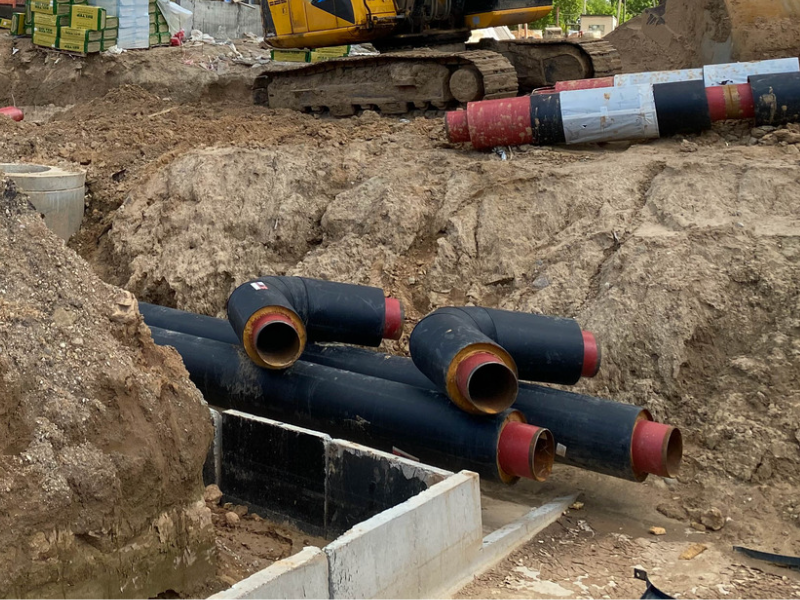
Why Pipeline Foundations Matter
Pipeline foundations do much more than support underground utilities. They stabilize above-ground infrastructure, structural supports, equipment pads, valve stations, and utility crossings that are essential to safe pipeline operation.
A properly engineered foundation helps:
- Reduce differential settlement
- Maintain pipeline alignment
- Support heavy structural loads
- Improve long-term stability
- Protect critical infrastructure
- Extend service life
- Minimize maintenance costs
Without proper foundation support, ground movement can create stress on pipelines and connected structures, leading to costly repairs and operational disruptions.
Common Soil Challenges in Commerce City
Colorado’s Front Range presents unique geotechnical challenges that influence foundation performance.
Expansive Clay Soils
Clay expands when wet and contracts during dry periods, creating movement that affects foundations.
Variable Soil Conditions
Industrial sites often contain a mix of native soils, engineered fill, and previously disturbed ground.
Freeze-Thaw Cycles
Seasonal freezing and thawing can shift shallow foundations over time.
Groundwater Fluctuations
Changing moisture levels affect soil bearing capacity and settlement potential.
Heavy Structural Loads
Pipeline facilities often support pumps, valves, equipment, tanks, and structural steel that require engineered foundation solutions.
These conditions make traditional shallow foundations less suitable for many infrastructure projects.
Helical Piles for Pipeline Infrastructure
Helical piles have become one of the preferred foundation solutions for pipeline and utility infrastructure throughout Colorado.
Unlike conventional foundations that rely on shallow bearing soils, helical piles transfer structural loads to deeper, more stable soil layers.
Applications include:
- Pipeline supports
- Valve stations
- Meter stations
- Pump stations
- Equipment foundations
- Pipe racks
- Utility crossings
- Control buildings
- Monitoring equipment
- Elevated pipeline structures
Helical piles can often be installed with minimal excavation and immediate load-bearing capability, making them ideal for active construction sites.
Advantages Over Traditional Foundations
Engineered helical pile systems offer several advantages for pipeline construction.
Faster Installation
Most systems install more quickly than traditional drilled concrete foundations, helping keep projects on schedule.
Minimal Site Disturbance
Reduced excavation minimizes disruption to existing utilities and surrounding infrastructure.
Immediate Load Capacity
Helical piles can often support structural loads immediately after installation.
Excellent Performance in Difficult Soils
Deep foundations bypass unstable upper soil layers and anchor into stronger bearing strata.
Lower Environmental Impact
Smaller installation footprints help reduce disturbance in environmentally sensitive areas.
Long-Term Reliability
Properly engineered systems are designed to provide decades of dependable structural support.
Utility & Energy Applications
Pipeline foundation systems support a wide range of infrastructure projects across Commerce City and the Denver metropolitan area.
Common applications include:
- Water transmission systems
- Municipal utility corridors
- Renewable energy infrastructure
- Industrial processing facilities
- Telecommunications infrastructure
- Electrical substations
- Distribution facilities
- Chemical processing plants
- Transportation infrastructure
Each project requires careful engineering based on soil conditions, structural loads, and long-term performance requirements.
Foundation Design Considerations
Successful pipeline foundation construction begins with detailed engineering.
Geotechnical Investigation
Understanding soil composition and bearing capacity is essential.
Load Requirements
Foundation design must account for static, dynamic, and environmental loads.
Corrosion Protection
Protective coatings and material selection help maximize service life.
Frost Depth
Colorado’s climate requires consideration of frost penetration and seasonal movement.
Site Accessibility
Equipment selection and installation methods should minimize disruption to ongoing operations.
Regulatory Compliance
Projects must meet applicable engineering standards, local regulations, and industry requirements.
Proper planning helps ensure long-term structural performance.
Why Commerce City Requires Engineered Foundations
Commerce City is one of Colorado’s most active industrial and energy corridors.
The area supports:
- Manufacturing
- Utility infrastructure
- Warehousing
- Distribution centers
- Transportation facilities
- Municipal utilities
- Commercial development
Because of the region’s expansive soils and demanding infrastructure requirements, engineered deep foundation systems provide an effective solution for maintaining structural stability under changing ground conditions.